


Few artists manage to carve out a sound as distinctly their own as DJ Fordal. In his earlier days he was the owner of Binary Records Shop. Now he is known for his seamless blend of deep, driving rhythms and atmospheric, melodic textures, Fordal has become a name that resonates across underground dance floors and festival stages alike.
His sets are marked by an instinctive understanding of energy that pulls listeners in, keeps them suspended in the moment, and leaves them wanting more. With a growing catalog of original productions and remixes, he continues to push boundaries while staying true to the raw passion that first drew him to the decks. We caught up to talk about his new EP “Quantum Verse”, collaborating with other artists and what’s to come in the future.
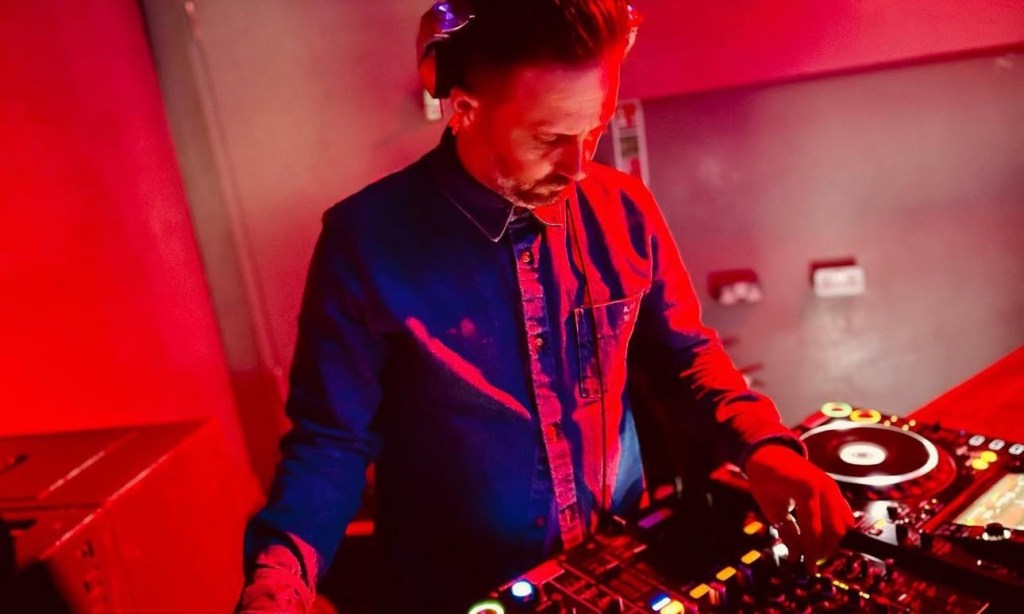
Let’s start with your new EP’ Quantum Verse’. What inspired the concept behind it, and what does the title represent to you on a creative or emotional level?
The title Quantum Verse came to me as a kind of metaphor for sonic exploration – a statement of scale and possibility. I saw the “quantum” part as a reference to small units, details, micro-movements, every synth tweak, every subtle modulation and “verse” as a kind of universe. So emotionally and creatively, the EP is about building a micro-universe out of tiny sound particles: bass sub-frequencies, shimmering pads, layered atmospheres. The idea was to create a space that feels vast, immersive, something you can almost step into.

The EP has such a distinctive sound and a mix of futuristic textures, organic warmth, and emotional intensity. How did you approach blending those contrasting elements during the production process? Were there any artists or references that guided your direction?
Dave (Walker) and I approached it almost like sculpting in the studio: build a solid foundation with groove and bass, plus a stabbing rhythm I’d been working on. Then started layering futuristic textures through pads, ambient washes, evolving synths – Dave’s specialty! Both of us creating spaces that breathe and tension-and-release. Ultimately it was the mix of mine and Dave’s styles as artists that created and guided the direction the track took. The mix of my energy and Dave’s subtlety with layers and incredible textures.
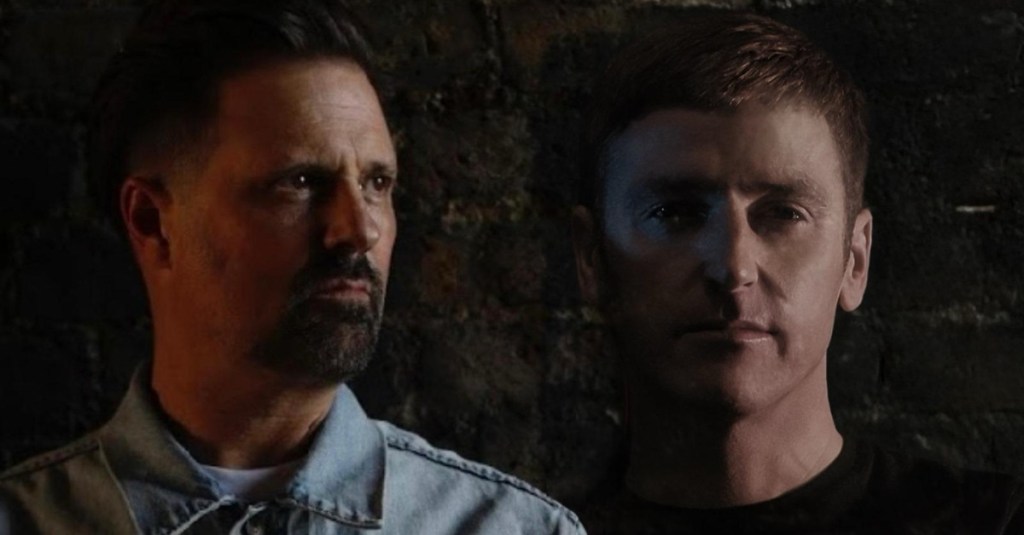
How did that collaboration with Dave Walker come about, and what was it about Dave’s style or energy that made you want to work together?
The collaboration between Dave Walker and I on Quantum Verse felt very natural. Dave’s a friend and someone I respect very much. He’s one the finest electronic music producers around, and when the opportunity come and our schedules allows us – it was a no brainer for me.
Dave has a long history, over 20 years, in the electronic scene, and he’s built a reputation for forward-thinking melodic/progressive sound. I think we both believe in evolving dance music – not repeating the same blueprint, but pushing boundaries. That made the collaboration feel like a natural fusion, not just a feature or “collab for the sake of a collab,” but a real shared vision.
Can you take us back to where it all began? How did Fordal come to life, and what first drew you to creating the kind of music you’re making today?
My path began with early influences — if you look back, much of what informs my sensitivity to melody and musicality comes from being exposed to music as a child (my Dad is a jazz musician). Over time, that interest evolved. I’ve been in and around dance music for 30 years, owning a Records store in the early 2000’s, DJ’ing and putting on parties. I later studied more formally at places like Point Blank Music School in London, refining production, sound design and arrangement skills.
What really drew me to making this kind of music was that tension between human emotion and electronic sound – the idea that electronic music doesn’t have to be cold or mechanical: it can breathe, it can carry stories, it can make you feel. When you get it right, you can move a room, but also touch people on a personal level.
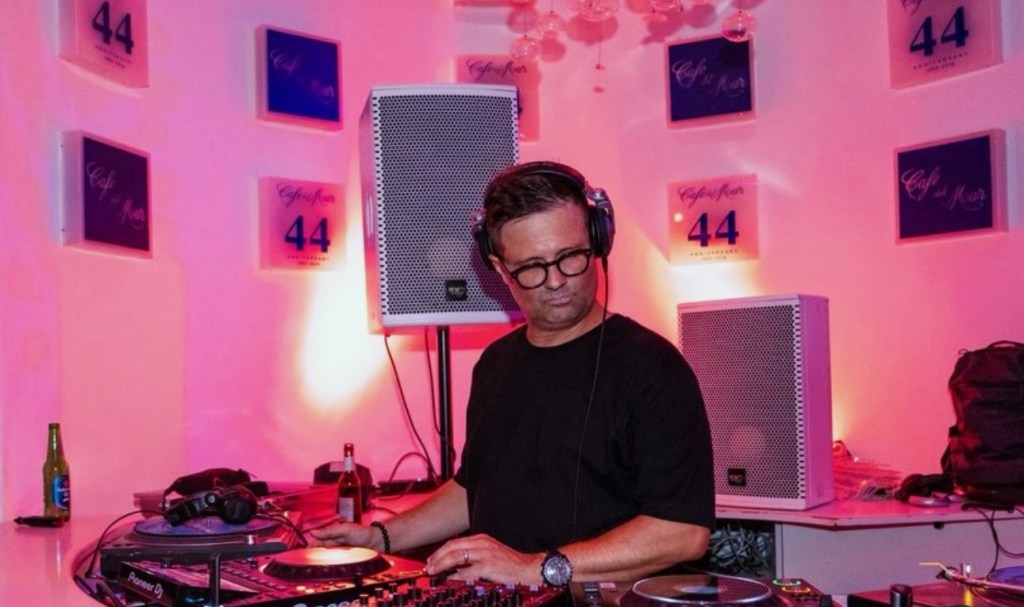
You’ve developed a reputation for creating tracks that are both introspective and powerful, music that feels emotionally raw but polished. What kind of headspace do you need to be in to create your best work, and how do you channel those emotions into sound?
My best work comes when I’m in a reflective but focused mood. I need to feel grounded, but open to subtle ideas – a balance of discipline (for arrangement, sound design) and vulnerability (to let melody and mood come through). Often I start with groove and bass then I try to leave “space” in the production for emotion to build: pads, evolving atmospheres, breakdowns that breathe.
Emotion comes from subtle contrasts: tension and release; light and dark; intimacy and expansiveness. I try to channel real feelings — longing, hope, introspection — but translate them into sound. I don’t always sit down trying to “write sadness” — it’s more organic: I let where I am emotionally feed what I build, then shape that into something that makes sense rhythmically and harmonically.
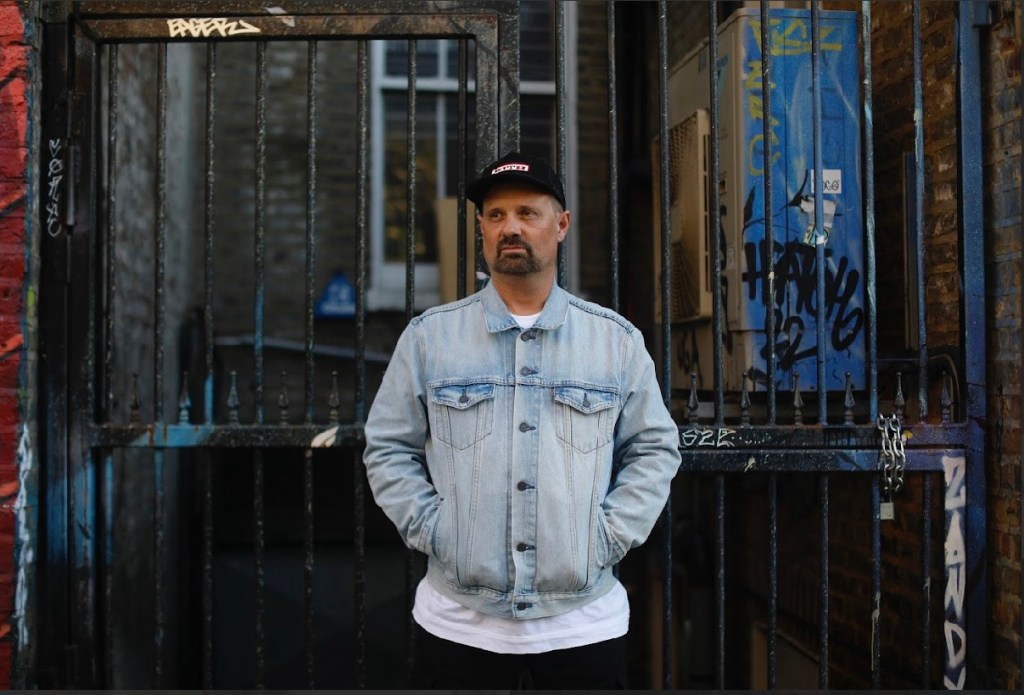
Quantum Verse feels like a bold evolution from your earlier releases. How do you feel your creative process has changed since your first projects, and what lessons have you learned along the way?
Compared to my earlier releases (for example tracks like Helix – which was remixed by Dave!), where the focus might have been more straightforward groove or percussive energy, now I feel more confident in space, dynamics, and subtlety. On Helix, I was building club-ready energy for sure. But with Quantum Verse we wanted to push further: deeper atmospheres, richer textures, more nuanced dynamics, and emotional weight.
The lessons learned along the way: trust the silence — the gaps, the breakdowns, the space between notes. Don’t overfill. And don’t rush the process: good sound design and mixes take time. Be patient with arrangements; let the track evolve naturally. Also — collaborate with people you respect, who align in vision, because that synergy can elevate a project beyond what you would do alone (hence Dave Walker).
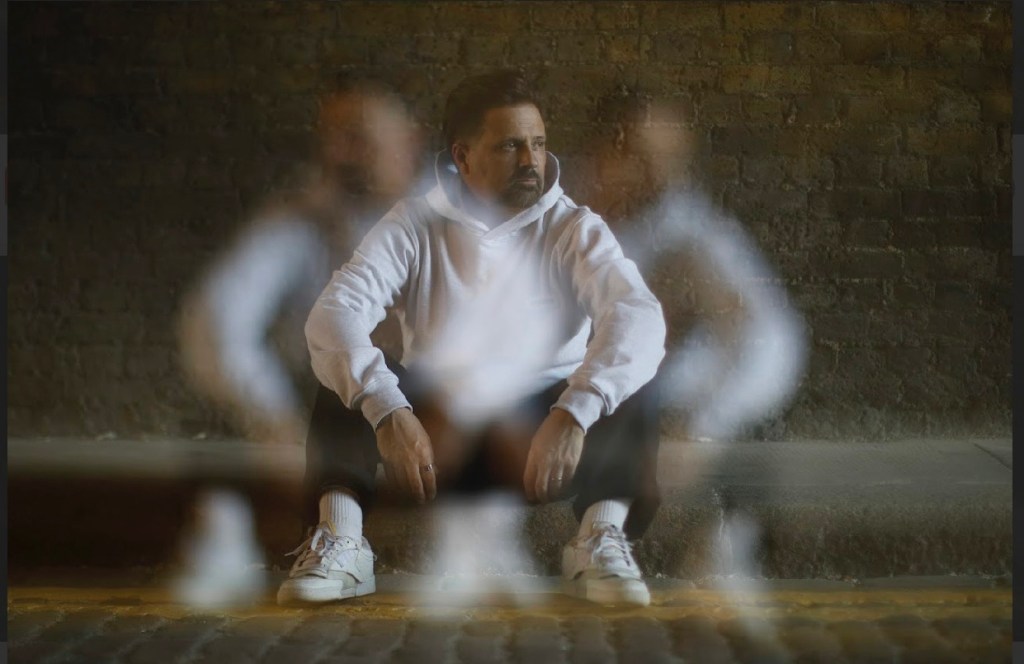
Every artist’s path comes with challenges and breakthroughs. What have been some of the key moments, whether personal, professional, or creative? How has that shaped your journey so far?
Apart from very busy schedule, running the label. (Forensic Records – with partner Chris Scott aka Lexicon Avenue). One of the big challenges in this scene — and for an artist like me — is balancing between underground credibility (depth, emotion, artistic integrity) and relevance (keeping up with changing tastes, evolving club sound, evolving production standards). Istay true by focusing on quality, depth, and emotional honesty.
A key breakthrough has been finding that voice — that sound identity that blends groove, atmosphere, and emotion; and realising that people respond when the music is authentic. The support for Quantum Verse from established names and hero’sof mine like Sasha, John Digweed and Dave Seaman as soon as it was previewed pointed to that I think.
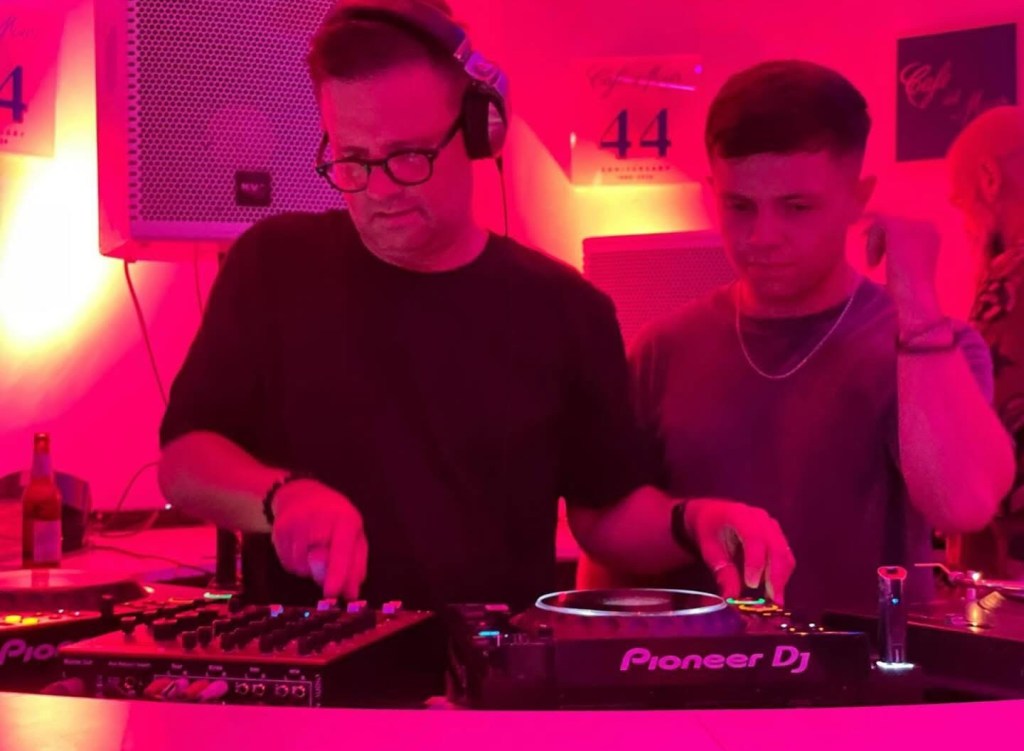
How do you stay grounded and inspired while continuing to grow artistically, and how do you make sure your sound remains authentically yours?
To stay grounded, I keep going back to fundamentals: groove, space, mood. I listen to a wide range of music, not just contemporary electronic — but older progressive/house/ambient records, sounds from outside club music, anything with feeling. I stay curious; I experiment with different synths and textures (analogue or digital), I try not to get stuck in a formula. And I surround myself with collaborators and fellow producers who challenge and inspire me. There are so many talented artists out there that keep pushing the envelope it inspires me to try and keep up !
To keep the sound authentically mine, I try to honour what first drew me to music (emotion, atmosphere, journey) — even when evolving. I remind myself that I’m not making “just another club banger.” I want the music to survive outside the club too: headphones, home listening, introspective moments.
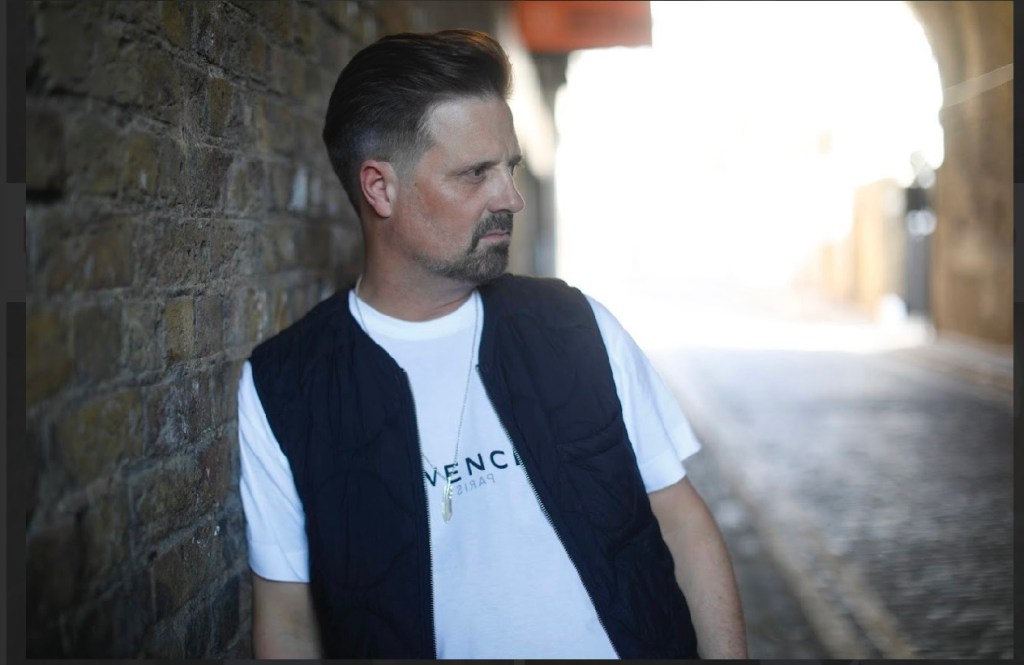
In today’s digital world, artists often walk a fine line between making art that’s true to themselves and creating something that connects with an audience. How do you find that balance, and how important is listener connection to you when releasing new music?
For me, connection to the listener is central. I’m not just chasing “plays” or “floor fillers.” I want the music to strike something in people — memories, feelings, a moment of release, or introspection. That means staying true to what I believe in, but also being aware of how people listen, how a track unfolds in a set, how it can move a crowd or touch someone alone in their headphones. It’s a balance — but I see authenticity and connection as two sides of the same coin.
That said, I don’t compromise my creative vision for “mass appeal.” If the track feels real to me, I trust that there’s an audience out there who will feel it too.
Looking ahead, what’s next for Fordal? Are there any upcoming collaborations, tours, or new creative directions that you’re excited to explore, either with Dave Walker or on your own?
Going forward, I’m excited about continued collaborations — obviously including more with Dave Walker (Quantum Verse was only the beginning, I hope!). Lots going on at both of our labels, Forensic Records and Twelvepoint — releasing music that pushes boundaries but feels real, giving space to emerging artists who share a similar ethos. From a live perspective, on the success of our Forensic Records party at ADE this year we have more showcase events planned in 2026. Also plenty of new solo releases coming next year!
Finally, what is your favourite track by another artist that you wish you’d made?
Knights of the Jaguar by DJ Rolando. Say not more !
 ratemyrave